
From Traffic Spike to Repeat Sales: A Change-Management Playbook for Diffuser Brands
A retail growth playbook for diffuser brands to turn traffic spikes into repeat sales through stronger merchandising, education, and omnichannel follow-through.
From Traffic Spike to Repeat Sales: A Change-Management Playbook for Diffuser Brands
For diffuser brands, the hardest part of growth is not getting noticed. It is turning a burst of awareness, a store visit, and a first trial into a second purchase, then a habit. That is why the most useful lens right now is not just media efficiency, but marketing effectiveness as a change management problem: can your brand change shopper behavior across channels, store teams, packaging, education, and post-purchase follow-up? Recent retail traffic patterns suggest the answer depends heavily on store performance and the quality of the in-person experience, not brand name alone. If you are building a retail-first growth plan, this guide will show you how to connect foot traffic, retail conversion, and repeat purchases into one operational system, much like the practical frameworks in our guide to build a furniture-shopping dashboard or the strategy behind spotting a brand turnaround before shoppers do.
1) Why diffuser brands should think like change managers, not just marketers
Awareness is not adoption
Many diffuser brands still measure success with top-of-funnel metrics: impressions, clicks, and store traffic. Those numbers matter, but they do not tell you whether a shopper changed behavior enough to buy, use, and repurchase. In experiential categories like aroma and home comfort, a store demo can create desire, but repeat sales come from a much deeper chain: scent preference, ease of use, fit with home décor, noise tolerance, refill convenience, and perceived wellness benefit. That is why the best teams borrow from the same discipline you see in live product launch formats and buyability-focused creator metrics: the goal is not attention alone, but conversion to action.
Marketing effectiveness means changing the system
In practical terms, marketing effectiveness is not just about creative quality. It is about whether the brand’s message, packaging, placement, and education are aligned enough to move consumers through the decision journey with minimal friction. For diffuser brands, that system includes retail associates, shelf signage, product naming, sample protocols, seasonal displays, QR education, and post-purchase replenishment reminders. Think of it the way operations teams think about a high-performing fleet: better data only matters if it improves dispatch decisions, which is why the logic behind AI-driven analytics for fleet dispatch maps well to retail execution. You are not just running campaigns; you are managing a customer behavior engine.
Retail is where trust is won fast
For home fragrance and diffuser brands, retail is especially powerful because shoppers can see scale, feel materials, compare styles, and often smell the scent or imagine the experience. That is a major advantage over purely digital selling, but it also means execution must be tighter. A weak display, unclear scent story, or clumsy packaging can undo months of media spend. This is similar to how entertainment trends shape audience attention and how brand personality influences investor conviction: people want a clear story and a reason to believe.
Pro Tip: Treat every store visit as a product education moment. If a shopper cannot explain the difference between your diffuser and the next one in 20 seconds, you have likely lost the sale before checkout.
2) The traffic spike problem: why more visits do not automatically mean more sales
Foot traffic is a signal, not a victory
Retail traffic can rise for many reasons: promotional events, seasonal resets, broader category momentum, or general improvement in store experience. Placer.ai has recently highlighted how Target’s weekly visits rose year over year as assortment and in-store experience improved, and how Circle Days lifted traffic above prior periods. The lesson for diffuser brands is simple: a traffic spike is only valuable if your category is visible, easy to test, and easy to understand during the visit. Shoppers may enter the store because of a promotion, but they decide to buy your diffuser because the product answers a personal need better than the shelf next to it.
Why retail conversion lags traffic
The conversion gap usually happens because the store journey is too abstract. A customer sees a stylish unit but cannot tell whether it covers a bedroom, runs quietly, supports essential oils, or requires annoying cleaning. Or the shopper likes the scent but does not understand how long the water tank lasts or whether the design fits their nightstand. When product education is weak, traffic becomes wasted opportunity. Retailers and brands that manage this well often rely on the same comparison discipline seen in spec-and-value comparisons and category shopping guides: they translate features into practical use cases.
Traffic quality matters as much as volume
Not all foot traffic is equal. A shopper entering a department store for home accents, gift shopping, or wellness items is more likely to buy a diffuser than a shopper running a quick errand for batteries. This is why experiential retail matters so much. Brands should map which stores attract the right mission, which aisles create discovery, and which displays drive dwell time. If you need a reminder that format matters, look at how partnership-led experiences drive recurring revenue: the environment itself can become part of the product.
3) The change-management model: awareness, trial, adoption, repeat
Stage 1: Awareness
Awareness in this category is not just “I saw the brand.” It is “I understand what job this product does for me.” For diffuser brands, that job might be better sleep, a fresher apartment, less visual clutter, or a calmer living room. Messaging should connect fragrance, design, and utility. That is why some of the most effective campaigns borrow principles from making industrial products feel relatable: concrete use cases outperform abstract claims.
Stage 2: Trial
Trial is the decisive moment in experiential categories. In-store, trial may mean a scent test, a live demo, a close look at finish quality, or a quick explanation from an associate. Online, trial may mean a starter bundle, a small-format device, or a guarantee that lowers perceived risk. Brands that win here usually make the first purchase feel lightweight and low-regret. The retail logic resembles the thinking in promo-led grocery shopping and gift-guide merchandising: reduce decision friction, then reinforce value.
Stage 3: Adoption
Adoption begins when the product enters the routine. That means your packaging, instructions, and support must make setup painless and first use rewarding. A diffuser that is beautiful but confusing often becomes a drawer item. A diffuser that is simple, quiet, and visually integrated into the room becomes a visible reminder of the brand every day. If your onboarding is strong, you will see better retention, much like the lesson from retention design in games: little moments of satisfaction accumulate into loyalty.
Stage 4: Repeat purchase
Repeat purchase is where the economics improve dramatically. Refills, replacement parts, and complementary products can lift lifetime value, but only if the customer remembers the brand and trusts the quality. Email flows, subscription prompts, reorder cards, and retailer CRM all matter here. This is also where the discipline of document lifecycle management offers a useful analogy: what you store, tag, and retrieve determines future value. In the same way, what you capture about the customer determines whether the second sale happens at all.
4) Store performance levers that actually move diffuser conversion
Merchandising should reduce cognitive load
The best retail displays do not overwhelm shoppers with too many claims. Instead, they sort products by a clear decision path: room size, style, noise level, runtime, refill type, or wellness goal. A well-structured shelf helps the shopper self-select. This mirrors the logic of analyst-supported directory content: better curation beats generic listings. For diffuser brands, that means clear comparison cards and signage that translate specs into plain language.
Associates need a script, not just a smile
Store staff often make or break the sale. If associates can explain the difference between ultrasonic and nebulizing diffusers, how long a tank lasts, and which scent profiles fit a bedroom versus a living room, conversion rises. If they cannot, shoppers default to price or appearance. Training should be specific, short, and repeatable. We see a similar principle in educator-facing vendor shortlists: clarity wins when the audience is busy and comparison-heavy.
Seasonal and experiential moments matter
Retail spikes often happen during seasonal resets, gifting periods, and home refresh windows. That is when experiential merchandising matters most. Use bundles, endcaps, and lifestyle vignettes to show the diffuser in a bedroom, entryway, or living room setting. The right prop can turn a functional object into a decor object. For inspiration, look at how seasonal home retail events and photogenic capsule merchandising create urgency and context.
| Retail lever | What it improves | Why it matters for diffuser brands | Primary KPI |
|---|---|---|---|
| Comparison signage | Decision clarity | Turns specs into room-based recommendations | Conversion rate |
| Associate scripting | Confidence | Helps shoppers understand noise, coverage, and maintenance | Units per store visit |
| Endcap storytelling | Discovery | Makes the diffuser feel like decor, not a utility | Foot traffic to fixture |
| Starter bundles | Trial | Reduces risk for first-time buyers | Attach rate |
| Reorder prompts | Repeat purchase | Converts use into replenishment behavior | Repeat purchase rate |
5) Omnichannel strategy: connect store discovery to repeat online sales
Use the store as a data capture point
Many brands lose the value of a great in-store demo because they fail to capture the shopper after the visit. QR codes, email capture, recipe cards for scent blending, and “how to clean your diffuser” guides can convert anonymous traffic into owned audience data. A retail visit should end with a next step that is easy and useful. In the same way that trust-first lead magnets work better than aggressive forms, useful post-visit content builds permission for the next sale.
Retail and ecommerce must tell the same story
If the store position emphasizes quiet sleep and decor-friendly design, the product page should reinforce exactly that. If the package highlights easy cleaning, the reorder page should show maintenance tips and replacement parts. Inconsistent messaging weakens trust and delays conversion. Strong omnichannel brands behave like the teams behind production-ready prototypes: the handoff must be stable, not experimental.
Repeat purchase should be built into the customer journey
Refills and accessories are often the profit engine in the diffuser category. Yet brands frequently treat them as afterthoughts. Build lifecycle triggers around expected usage patterns: first-week setup, 30-day cleaning reminder, 60-day scent refresh, 90-day reorder prompt. That cadence is not spam; it is support. The broader principle is similar to step-by-step funnel design: each stage should answer the next question the user is likely to have.
6) What retail foot traffic trends mean for diffuser brands in 2026
Format resilience favors broad-assortment environments
Recent foot traffic reporting has shown that broader-format retail, especially stores that combine multiple shopping missions, can outperform tighter specialty formats in volatile periods. For diffuser brands, that means a well-placed product in a department store, home goods aisle, or gift-focused environment may outperform a narrow boutique if the display is stronger and the assortment is easier to compare. Traffic is not evenly distributed, and brands that understand where shoppers are already willing to browse gain an edge. It is the same lesson seen in category comparison shopping: shoppers favor environments that simplify tradeoffs.
Recovery phases reward clear value
When consumers become cautious, they are less willing to experiment blindly. They want proof, utility, and style. That makes diffuser brands with strong performance claims and attractive design particularly well positioned, provided the claims are credible and the product is easy to maintain. The smartest brands do not chase luxury language without evidence. They show value with room coverage, runtime, maintenance simplicity, and warranty support, similar to how value-forward shopping guides frame decision-making.
Experiential retail is a moat
Diffuser brands cannot always outspend larger home brands, but they can often out-experience them. A well-lit demo, a scent test, a clean modular display, and a lifestyle story can outperform a bigger logo. This is especially true in categories where consumers buy with both logic and emotion. The same structural advantage appears in premium rental experiences and brand-led occasion building, where the environment itself becomes part of the value proposition.
7) Building a repeat-sales engine: the operating playbook
Step 1: Segment by use case, not just by product type
Do not market only “diffusers.” Market sleep diffusers, entryway refreshers, decor diffusers, small-space diffusers, and giftable diffusers. Consumers buy outcomes, not categories. This is a useful lesson from category extension thinking, where the product works best when framed around a real-life need. Your SKUs should map to room size, lifestyle, and aesthetic preference.
Step 2: Create a post-purchase education sequence
Once the customer buys, help them succeed fast. Send setup tips, cleaning instructions, scent pairing ideas, and troubleshooting reminders within the first two weeks. A great first experience dramatically increases the chance of repeat purchase because it turns the product into a routine. If your team wants a model for support sequences, look at how internal helpdesk systems reduce friction by anticipating questions.
Step 3: Build replenishment economics
Refill sales are more predictable than first-time sales, but only if the customer knows when to reorder and why. Use usage-based messaging rather than arbitrary discounts. For example, if a scent cartridge typically lasts six weeks, set reminders around that cycle and pair them with one-click reorder links. This is where comparison-rich content and subscription logic can work together to support retention.
Step 4: Measure what actually predicts repeat
Track the path from traffic to trial to repeat by store, SKU, and audience segment. The most important metrics are not always the loudest ones. Look at demo-to-sale rate, attach rate on refills, 30-day activation rate, and 90-day repurchase rate. If you want a growth model for disciplined prioritization, the logic resembles risk management and position sizing: focus capital where the odds are best and cut what underperforms quickly.
8) Change management inside the brand: what teams must align
Marketing must sync with operations
Great campaigns fail when stores are out of stock, the packaging is unclear, or associates are untrained. That is why this is a change-management problem, not merely a media plan. Marketing needs visibility into store inventory, merchandising schedules, and customer feedback loops. Operations needs clarity on which messages are driving demand so the experience can match the promise.
Sales needs a retail-specific playbook
Retail accounts care about turn, velocity, margin, and shopper response. When you pitch diffuser brands, do not lead with generic branding language. Lead with shopper mission, fixture efficiency, margin structure, and repeat potential. The discipline is similar to how technical procurement checklists force buyers to evaluate specifics instead of buzzwords.
Leadership must protect focus
It is tempting to keep launching new scent names, new finishes, and new bundles every quarter. But too much variation can confuse shoppers and retailers alike. A strong leader chooses the fewest changes that improve performance and shelves them behind a clear roadmap. That kind of focus resembles the management thinking in leadership practices that protect home life: structure creates stability, and stability supports better outcomes.
Pro Tip: If a retailer asks what your brand does better than the category leader, answer in one sentence using shopper language: “quieter,” “easier to clean,” “better for small rooms,” or “more giftable.” If you need a paragraph, the buyer will assume the shopper needs too much education.
9) A practical scorecard for diffuser brands
What to track weekly
Weekly review should include store traffic, product page visits, conversion rate, average order value, refill attach rate, and top objections from associates or customer service. You should also monitor which displays produce the longest dwell time and which stores generate the strongest repeat purchases. This allows you to compare raw traffic with productive traffic, which is the real business question. For a broader perspective on data discipline, the thinking behind preparing data teams is useful: measurement systems only matter if the organization can act on them.
What to kill quickly
Kill underperforming scents, confusing product variants, and retail claims that do not help shoppers choose. Brands often keep weak SKUs because they feel like “brand building,” but clutter can suppress the entire shelf. Every SKU should either attract a distinct shopper, support a price ladder, or feed repeat consumption. If it does none of these, it is costing you conversion.
What to scale
Scale the combinations that repeatedly win: the right scent plus the right room size plus the right visual display. Also scale the content that helps shoppers after purchase, because retention compounds quietly over time. That pattern is common in categories built on utility plus emotion, from home fragrance to the lifestyle categories discussed in portfolio innovation and authentic audience partnerships.
10) Conclusion: the real goal is not traffic, it is behavior change
Turn visits into rituals
For diffuser brands, the win is not a one-time sale. It is becoming part of the home routine. That means the path from awareness to trial must be simple, and the path from trial to repeat must be supported with education, reminders, and strong retail execution. If your brand can do that, foot traffic becomes the start of revenue rather than a vanity metric.
Make the store experience do the heavy lifting
Experiential retail is not a nice-to-have in this category; it is a competitive advantage. Shoppers need to see, smell, and understand the product in context. Brands that invest in merchandising, associate education, and omnichannel follow-through will outperform those that rely on name recognition alone. This is the essence of marketing effectiveness in 2026: not more noise, but more behavior change.
Build for repeat, not just reach
The diffuser brands that win long term will operate with retail discipline, product clarity, and customer education as one system. They will treat traffic spikes as opportunities to capture trust, not just transactions. And they will use every store visit to set up the next purchase. That is the playbook for turning awareness into a durable growth engine.
FAQ
What is the biggest mistake diffuser brands make in retail?
The biggest mistake is assuming traffic alone equals sales. Without clear shelving, educated staff, and simple product positioning, shoppers browse but do not convert. In diffuser categories, confusion about noise, coverage, and maintenance can kill the sale even when interest is high.
How can a diffuser brand improve repeat purchases quickly?
Start with post-purchase education and replenishment timing. Send setup and cleaning tips in the first two weeks, then create reorder reminders based on realistic usage cycles. Repeat improves when customers feel supported and know exactly when to buy again.
Which retail formats work best for diffuser brands?
Formats with strong home, gift, beauty, or lifestyle missions tend to work best because they support experiential merchandising. Broad-assortment environments often outperform narrow boutiques when shoppers want to compare styles and price points quickly.
What metrics should diffuser brands track first?
Track foot traffic, demo-to-sale rate, conversion rate, refill attach rate, 30-day activation, and 90-day repeat purchase rate. These metrics show whether your store experience is creating durable behavior change, not just short-term buzz.
How important is packaging in this category?
Packaging is critical because it functions as both a shelf billboard and a usability guide. It should communicate style, room fit, ease of cleaning, and scent or wellness benefit quickly. If packaging is unclear, the shopper often chooses a competitor with a better story.
Related Reading
- Build a furniture-shopping dashboard: use retail analytics to compare models, prices, and resale value - A practical framework for turning product comparisons into buying confidence.
- Selling Warmth in a Cold Category - Learn how to make utility products feel emotionally relevant.
- From Reach to Buyability - A strong lens for measuring whether awareness is actually driving action.
- When a Brand Turnaround Becomes a Better Buy - Useful context for understanding recovery-driven shopper behavior.
- Best Home Security Deals Under $100 - A clear example of comparison-led retail content that reduces friction.
Related Topics
Maya Thornton
Senior SEO Content Strategist
Senior editor and content strategist. Writing about technology, design, and the future of digital media. Follow along for deep dives into the industry's moving parts.
Up Next
More stories handpicked for you

Smart Devices: Elevating Your Home's Aromatherapy Experience

Travel-Friendly Relaxation: Choosing Portable Diffusers and Fans for Short-Term Rentals

Customer Spotlights: How Homeowners Are Transforming Their Spaces with Diffusers

Maintaining Indoor Air Without Heavy Equipment: Compact Fans, Diffusers, and Simple Tests

Real Estate Staging with Scent: Using Diffusers and Subtle Fans to Boost Open Houses
From Our Network
Trending stories across our publication group
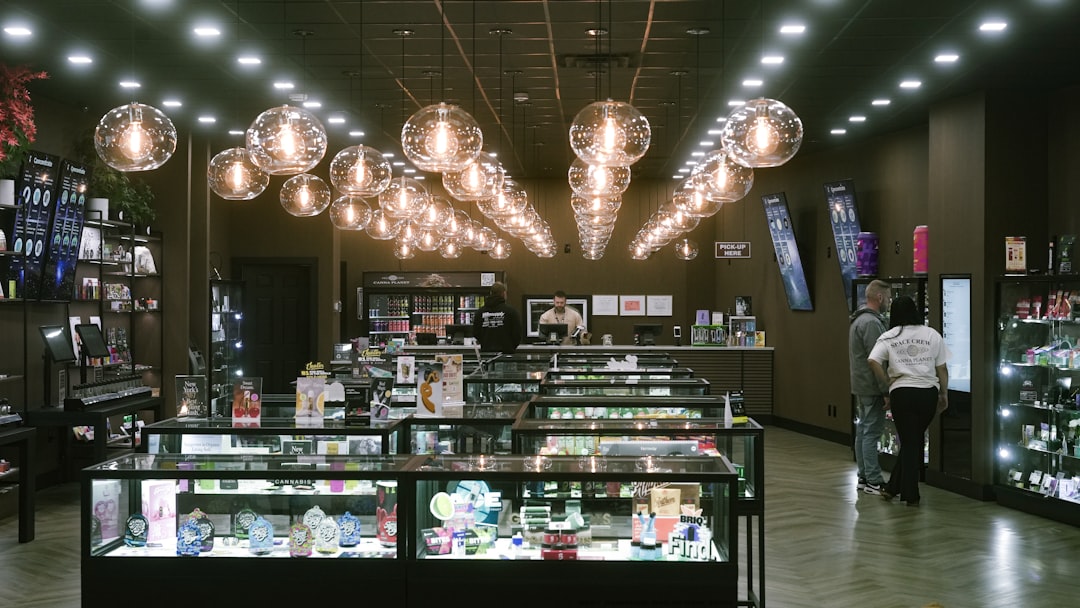
Why Some Beauty Brands Win in a Price-Sensitive Market: The Retail Format Playbook for Diffuser Sellers

Storing Your Oils: Best Practices for Quality Maintenance

Why Some Scent Brands Win on the Shelf: The Retail Foot-Traffic Playbook for Diffuser Shoppers

Nostalgia in Aromatherapy: Crafting Blends Inspired by Iconic Fragrances

The Signature Scent Effect: How to Build a Memorable Home or Rental Aroma Without Crossing the Line
